Tips for Creating a Cozy and Functional Home Office Space

Creating a cozy and functional home office space is essential for anyone working or studying from home. A well-designed workspace can boost your productivity, reduce stress, and make your workday more enjoyable. Whether you have a dedicated room or just a small corner, there are many ways to transform that area into the perfect home office. Here are some helpful tips to guide you through the process.
Choose the Right Location
Find a Quiet Spot
Select a place in your home that is as quiet as possible. This will help minimize distractions and allow you to concentrate better. If a separate room isn’t available, try to carve out a corner in a less busy area.
Consider Natural Light
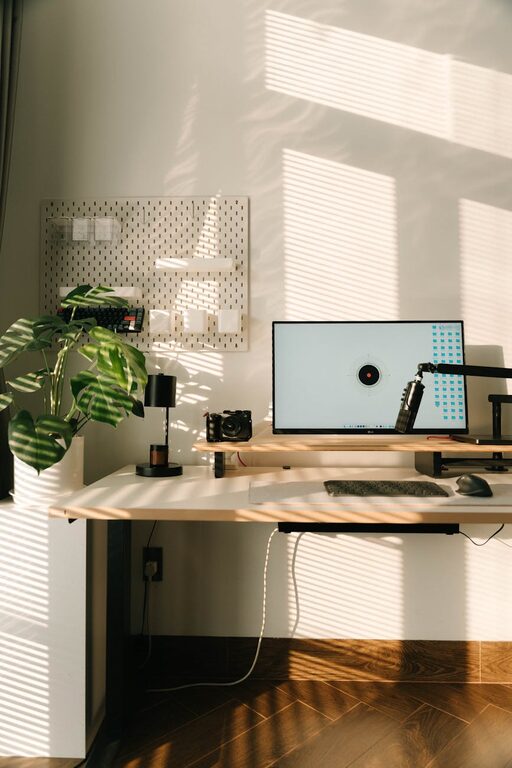
Natural light has been shown to improve mood and productivity. Position your desk near a window if possible, but avoid glare on your computer screen by adjusting the angle of your workspace.
Invest in Comfortable Furniture
Ergonomic Chair
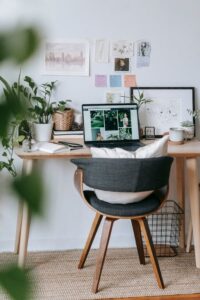
A comfortable, ergonomic chair supports your posture and reduces strain on your back and neck. Since you’ll spend hours sitting, investing in quality seating is worth it.
Suitable Desk
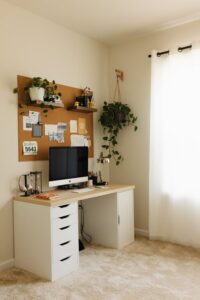
Choose a desk that fits your space and accommodates your equipment. If space is limited, consider compact or foldable desks that save room without sacrificing functionality.
Organize Your Space Efficiently
Declutter Regularly
Keep your work area clean and free of unnecessary items. A tidy space helps clear your mind and increases focus.
Use Storage Solutions
Shelves, drawers, and organizers can keep papers, supplies, and gadgets neatly stored but within reach. Labeling containers can further improve efficiency.
Personalize with Cozy Touches
Soft Textiles
Adding cushions, a small throw blanket, or a rug can make your office feel warmer and more inviting. These touches can also reduce noise and add comfort.
Plants and Greenery
Plants not only beautify your space but can also improve air quality and reduce stress. Choose low-maintenance varieties like succulents or pothos.
Optimize Lighting
Layered Lighting
Combine ambient, task, and accent lighting to create a balanced environment. Desk lamps with adjustable brightness allow you to tailor lighting to each task.
Avoid Harsh Lights
Harsh or fluorescent lights can cause eye strain. Opt for warm white bulbs that mimic natural light for a soothing atmosphere.
Incorporate Technology Thoughtfully
Reliable Equipment
Ensure your computer, printer, and other devices are in good working order. Reliable technology reduces frustration and downtime.
Cable Management
Use clips, sleeves, or cable boxes to keep cords organized and out of the way. This not only looks better but also prevents tripping hazards.
Maintain Boundaries
Define Work Hours
Even at home, setting clear work hours helps you stay productive and maintain a healthy work-life balance.
Separate Work and Relaxation Areas
When possible, keep your home office space distinct from areas you associate with relaxation. This mental separation supports focus during work.
Keep it Flexible
Multi-Purpose Furniture
In smaller spaces, furniture that serves multiple functions can be a game-changer. For example, a desk with storage or a chair that doubles as a guest seat.
Adjustable Layout
Be open to rearranging your space if something isn’t working. Flexibility lets you continuously improve your work environment.
—
A cozy and functional home office combines comfort, organization, and good design to support your work needs. By considering lighting, furniture, decor, and layout, you can create a space that not only looks great but also helps you stay productive and happy while working from home. Whether you’re setting up a spot for occasional tasks or a full-time remote office, these tips can help you make the most of your space.