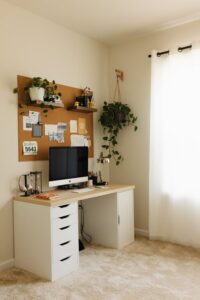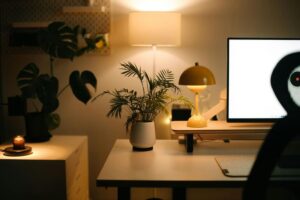
Tips for Creating a Relaxing Home Workspace to Boost Productivity and Comfort

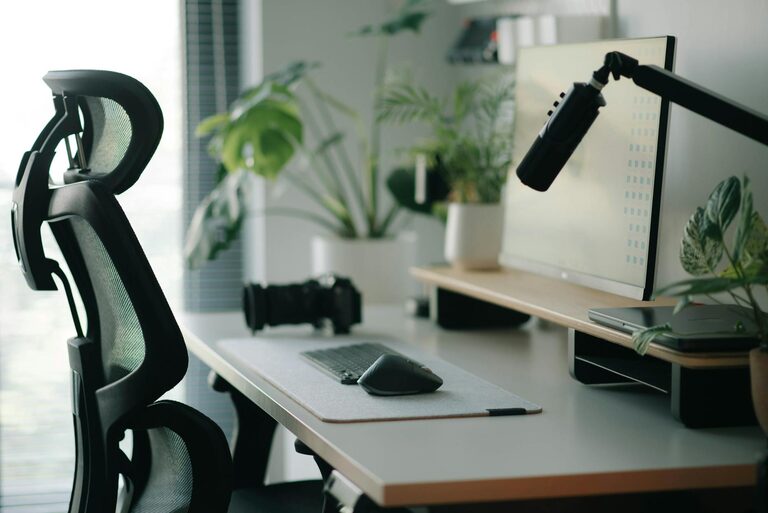
Creating a relaxing home workspace is essential for anyone looking to improve their productivity and comfort while working remotely or managing tasks from home. A well-designed environment can reduce stress, increase focus, and make your workday more enjoyable. In this post, we’ll explore several practical tips to help you create a calming and efficient workspace that suits your needs.
Why a Relaxing Home Workspace Matters
When your workspace feels inviting and comfortable, you’re more likely to stay motivated and maintain concentration. On the other hand, clutter, poor lighting, and uncomfortable furniture can lead to distractions and fatigue. By paying attention to how you set up your area, you give yourself a better chance to succeed and keep your well-being in check.
Choosing the Right Location
Find a Quiet Spot
Select a part of your home that’s relatively quiet and away from high-traffic areas. This helps minimize interruptions and creates a more peaceful atmosphere.
Consider Natural Light
If possible, set up your workspace near a window. Natural light not only reduces eye strain but also lifts your mood, which can enhance productivity.
Furnishing Your Workspace for Comfort
Invest in a Comfortable Chair
An ergonomic chair that supports your back and promotes good posture is one of the best investments you can make. Sitting comfortably helps prevent aches and keeps you focused for longer periods.
Opt for a Proper Desk
Choose a desk that fits your space and allows for adequate legroom. A desk with enough surface area is important to keep your devices, notebooks, and other essentials within easy reach.
Organizing for a Calm Environment
Declutter Regularly
Keep your workspace tidy by organizing supplies and papers. Use drawers or organizers to keep items out of sight, which reduces visual distractions.
Use Storage Solutions
Consider shelves, filing cabinets, or storage bins to better categorize your materials. Labeling can also make finding items faster and easier.
Personalizing Your Space
Add Plants
Houseplants can brighten up your office and improve air quality. Even a small succulent or a vase of fresh flowers adds a natural touch.
Incorporate Calming Colors
Soft, neutral tones such as light blues, greens, or pastels contribute to a peaceful environment. Avoid overly bright or harsh colors that can cause stress.
Display Inspiring Items
Include a few personal items like photos, artwork, or motivational quotes to create a positive mood and make your space uniquely yours.
Lighting and Screen Setup
Use Adjustable Lighting
Combine natural light with adjustable lamps to control your workspace illumination throughout the day. Warm or neutral white bulbs can prevent eye strain and create a cozy atmosphere.
Position Your Screen Properly
Place your monitor or laptop screen at eye level, about an arm’s length away. This reduces neck strain and helps maintain good posture.
Incorporating Break Areas and Movement
Schedule Regular Breaks
Set reminders to stand up, stretch, or walk for a few minutes every hour. Brief breaks refresh your mind and prevent physical stiffness.
Include a Comfortable Spot for Rest
If space allows, add a small chair or a beanbag nearby where you can take short pauses away from your desk.
Using Sound and Scent to Enhance Relaxation
Play Soft Background Music
Instrumental or nature sounds can help drown out distractions and create a calming environment.
Utilize Aromatherapy
Subtle scents like lavender or eucalyptus can promote relaxation and reduce stress when used moderately.
Maintaining a Healthy Routine
Keep Your Workspace Clean
Regular cleaning prevents dust and allergens from accumulating, supporting your overall health.
Set Clear Work Hours
Establish boundaries between work and personal time to avoid burnout and maintain balance.
—
By following these tips, you can transform your home workspace into a relaxing and efficient environment. The key is to create a space that supports your physical comfort and mental clarity, helping you stay productive and feel good throughout the workday. Remember, even small changes can make a significant difference in your daily routine.