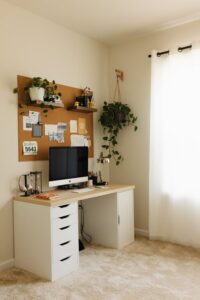
Tips for Creating a Cozy and Productive Home Office Space

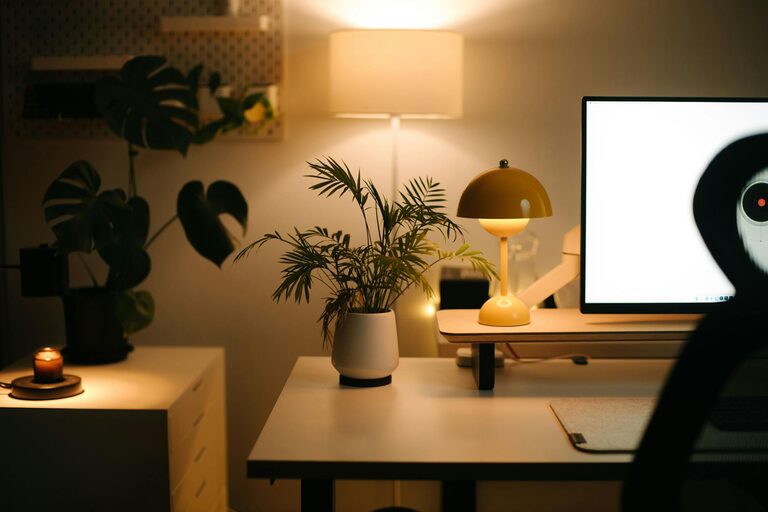
Creating a home office that feels cozy yet productive can greatly enhance your work experience. Whether you’re working remotely full-time or occasionally need a quiet place to focus, the right setup can make all the difference. Here are some practical tips to help you design a comfortable and efficient workspace at home.
Choose the Right Location
Start by selecting a spot in your home that minimizes distractions and has enough space for your essentials. Ideally, this should be a quiet corner or a spare room with good natural light. Having a separate area dedicated to work helps your brain associate the space with productivity.
Consider Natural Light and Ventilation
Sunlight can boost mood and productivity, so try to set up your desk near a window. Fresh air and good ventilation contribute to a healthier, more comfortable environment, helping you stay alert throughout the day.
Invest in Ergonomic Furniture
Comfortable furniture is crucial for long hours of work.
– Desk: Choose a desk with enough surface area for your computer, notepad, and other items. Adjustable desks or sit-stand desks allow you to change positions during the day.
– Chair: A supportive chair with adjustable height and good lumbar support reduces the risk of back pain. Test different chairs if possible before purchasing.
Ergonomic furniture helps maintain good posture, reducing discomfort and improving focus.
Organize Your Workspace
A clutter-free desk prevents distractions and makes it easier to find what you need.
– Use drawers, shelves, or filing cabinets to keep documents and supplies organized.
– Consider desk organizers or cable management solutions to keep cables tidy.
– Keep only essential items on your desk to maintain a clean look.
Regularly declutter and review your setup to keep it efficient.
Personalize Your Space
Adding personal touches makes the space more inviting and boosts motivation.
– Display photos, artwork, or inspirational quotes that make you happy.
– Incorporate plants to add a touch of nature. They improve air quality and create a calming atmosphere.
– Choose soft lighting options such as desk lamps or string lights to make the space cozy during darker hours.
Personalization helps make the office feel like your own, encouraging longer, more focused work periods.
Use Technology Wisely
Having the right tech tools can streamline your workflow.
– High-speed internet and reliable hardware reduce frustration.
– Noise-canceling headphones help block out household noise.
– Use productivity apps or tools that help you plan your day and track tasks.
Investments in good technology pay off with enhanced efficiency and less stress.
Establish a Routine and Boundaries
Your home office space should support healthy work habits.
– Set regular working hours and stick to them to separate work and personal life.
– Use your workspace only for work-related activities to build a mental connection between the space and productivity.
– Take regular breaks — stand up, stretch, or take a short walk.
Clear boundaries prevent burnout and help maintain balance.
Optimize Lighting for Comfort and Focus
Good lighting reduces eye strain and keeps you energized.
– Use a combination of natural, overhead, and task lighting.
– Position your computer screen to avoid glare.
– Adjustable lamps allow you to control lighting intensity based on time of day.
Proper lighting supports comfort and reduces fatigue.
Incorporate Storage Solutions
Keeping supplies neat and accessible makes work smoother.
– Floating shelves, baskets, or stackable bins can save space.
– Labeling storage containers speeds up retrieval.
– Rotate items seasonally to avoid overcrowding your desk area.
Thoughtful storage keeps your workspace functional and welcoming.
Keep Your Workspace Clean
A clean environment promotes mental clarity.
– Wipe surfaces regularly to keep dust and allergens at bay.
– Clean your keyboard, mouse, and other frequently touched items.
– Maintain good hygiene to feel comfortable and focused.
Spending a few minutes each day tidying up pays off in increased productivity.
—
Creating a cozy and productive home office is about balancing comfort with efficiency. By choosing the right location, investing in quality furniture, organizing thoughtfully, and personalizing your space, you can build an environment that supports your best work. Remember, your home office should not only reflect your style but also encourage healthy habits and focus throughout your day. With these tips, you’ll be well on your way to a workspace that inspires both productivity and relaxation.